 Isaac Hess
September 28, 2026
I Have the Actual Recording of the Diamondbacks Saying No
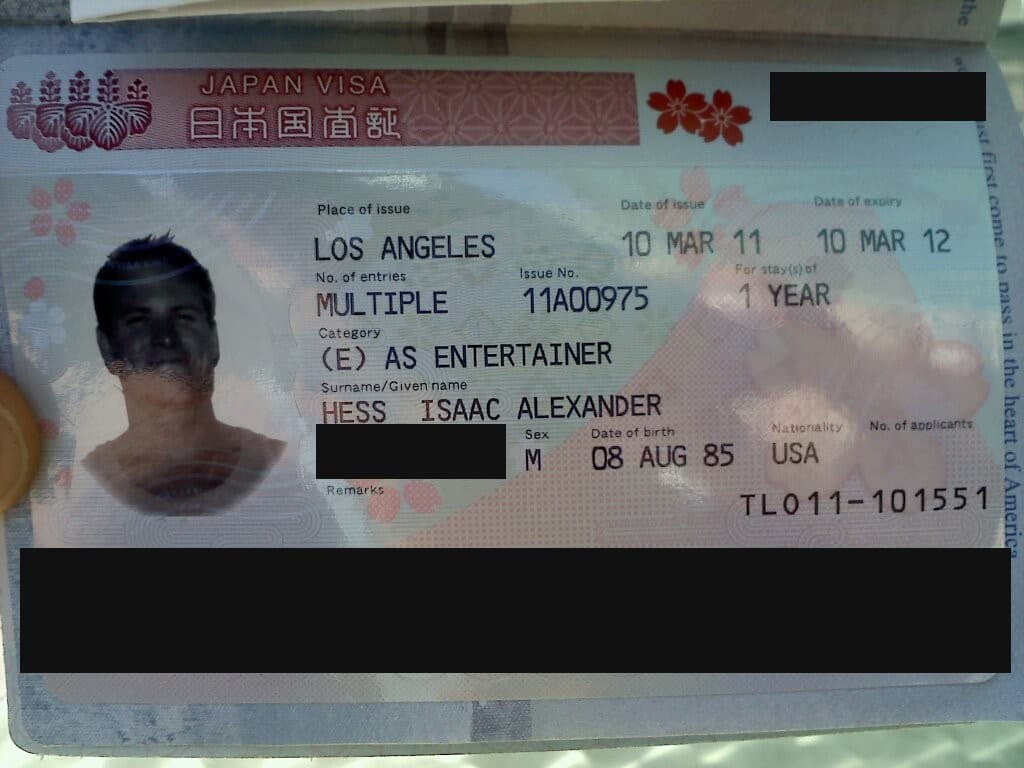
I have written about the Diamondbacks passing on me before. I wrote it from memory, years later, the way you write about most things that didn't work out.
Then a Sony voice recorder I bought in 2007 and lost track of for a decade and a half turned up in a box. On it, dated 23 March 2011, is my agent calling the Diamondbacks' front office one more time to see if there was anything left to save. I am not writing this one from memory. I am writing it from the tape.
How it started
It started with two people who are already all over this site: Tom Novak, who has coached me since I was a kid, and Bill Bryk, an advocate who spent real time trying to get me a shot with Arizona. Somewhere between January and March of 2011, the two of them connected me with an agent named David Matranga.
Matranga got me a bullpen in front of Diamondbacks people. It went well enough that it sparked something real — not a tryout that goes nowhere, an actual pursuit.
Bill Bryk is the reason any of this happened at all. Jerry Dipoto says as much on the tape, and I'll get to that.
The physical, and the call that came after it
On 22 March 2011 I had a physical with the team doctor, a man named Dr. Lee. That evening, standing outside a bar in Scottsdale, I got on the phone with Jerry Dipoto himself — at the time the Diamondbacks' senior vice president of scouting, later their general manager. I was angry on that call. I don't pretend otherwise, and neither does he.
The next day, my agent called Dipoto's office one more time, trying to find a way back in. I recorded it.
What Jerry Dipoto actually said
I'm not going to paraphrase this. I'm going to let him talk, because the honesty in it is the whole reason this is worth publishing at all.
"The only reason we've even come this far is because of Isaac's story. Quite frankly, if a kid with no other history but had a hip replacement rolled in and tried out for us..."
He's right, and I've never had a problem with him being right. He also told my agent exactly what my numbers were that day — 88, touching 91 once — and then said something that has stuck with me for fifteen years:
"You could throw 99. It doesn't change the facts."
The facts, in his words, were never about my arm:
"It's just not a good decision for our club, and that's based on his physical ability in conjunction with his — I don't even want to call it a liability, because apparently right now it's not. But the fear is for liability. If we walked into any circumstance, whether it's drafting or signing a free agent, and the physical shows you've got a hip replacement, or he's a danger for harm issues down the road..."
And this part is the one I go back to most:
"It's totally handicapping him. From a standpoint he can't control. I mean, what do I do? I have this condition, I can pitch, and they're telling me — because people are telling them — that if it is going to go out eventually, then that's against me."
That's not a rejection letter. That's a man in a business seat describing, out loud, the exact trap I was in — and then still saying no, because it was his job to.
The name I didn't expect on the tape
He mentions Kevin Towers, the Diamondbacks' actual general manager that year, as part of the group who weighed the decision. He also mentions me hiking Camelback Mountain, of all things — apparently someone had told him I was up there regularly, taking care of my hip, and he brings it up as evidence I wasn't lying about how I'd taken care of myself.
Camelback keeps showing up in this story from directions I never planned. It shows up here. It shows up with my brother, in a completely different year, for a completely different reason. I don't know what to do with that except notice it.
The story I was sitting on
There's a piece of this I didn't know had been recorded until I listened back. Dipoto, on the tape, to my agent:
"We've had outside-the-lines contacts... and Isaac's been holding it off and holding it off, because he wants to have a team sign him before he does it, so he can give that team the credit."
That's real. Somewhere in 2011, there was media interest in my story — the kind of national interest most independent-ball pitchers never get near — and I was sitting on it on purpose. I didn't want the story to be about a guy who couldn't get signed. I wanted it to be about the team that signed him.
Nobody ever did, so the story never ran. I'm running it myself now, fifteen years late, and I'm the one giving myself the credit this time.
How it ends
My agent thanked him. Dipoto thanked my agent. They talked about staying in touch. It was professional and warm and it was still a no.
Then the recording caught the one thing I actually said the second I hung up the phone.
"Bullshit!"
That's it. That's the whole reaction, unedited, fifteen years old.
Where David Matranga is now
My agent that year, the man doing the talking on my behalf on that tape, is David Matranga. I hadn't spoken to him in over a decade until I found this recording and texted him about it this week.
He is currently Aaron Judge's agent. He helped negotiate Judge's $360 million contract with the Yankees.
He told me he'd listen to the tape. I think I'm going to see him again within the year. Some things take a long time to come back around.