 Isaac Hess
October 2026
My Mom, Eve, and Every Single Day
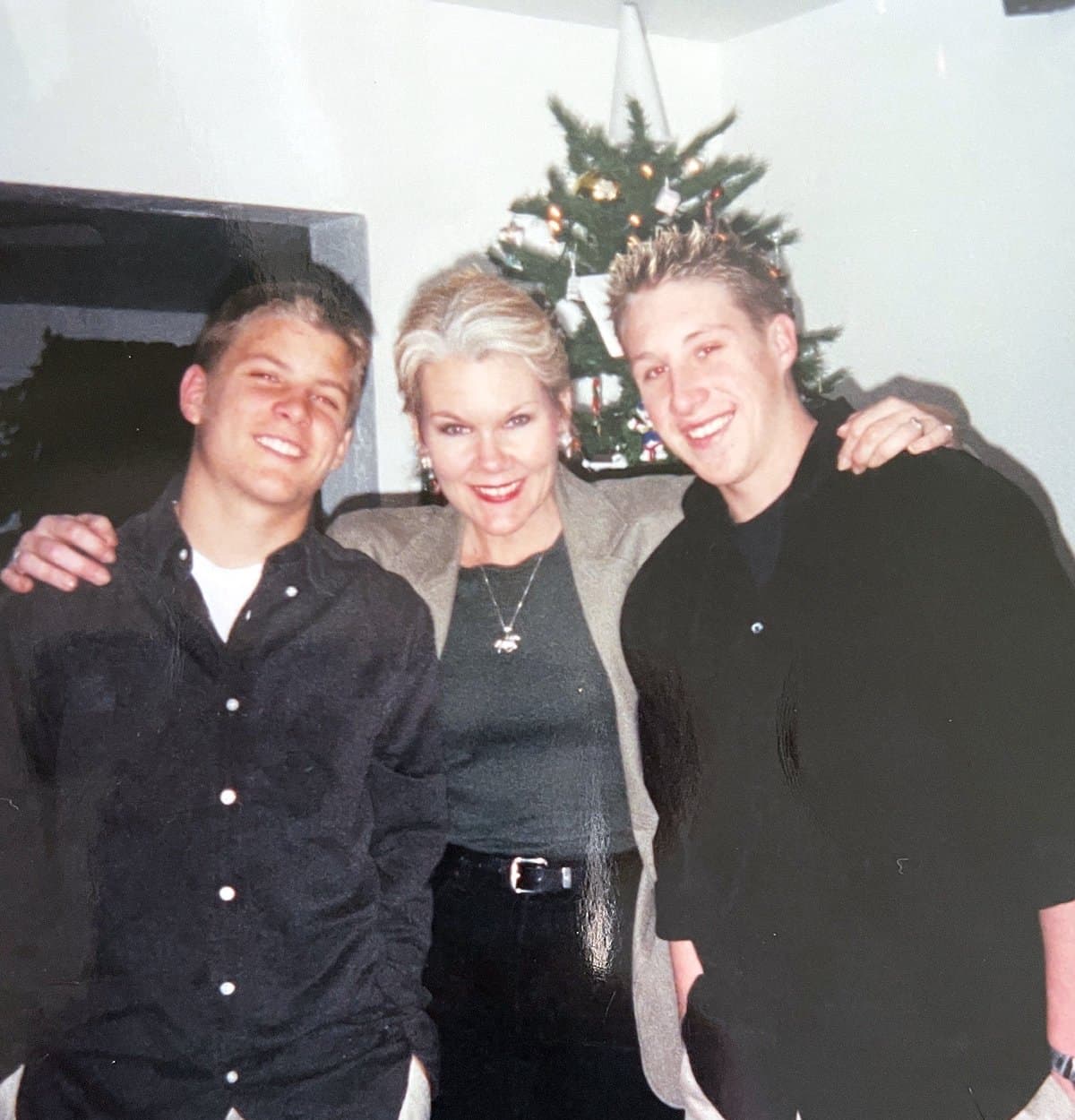
My mom's name was Mary Evelyn Hess. Everybody called her Eve.
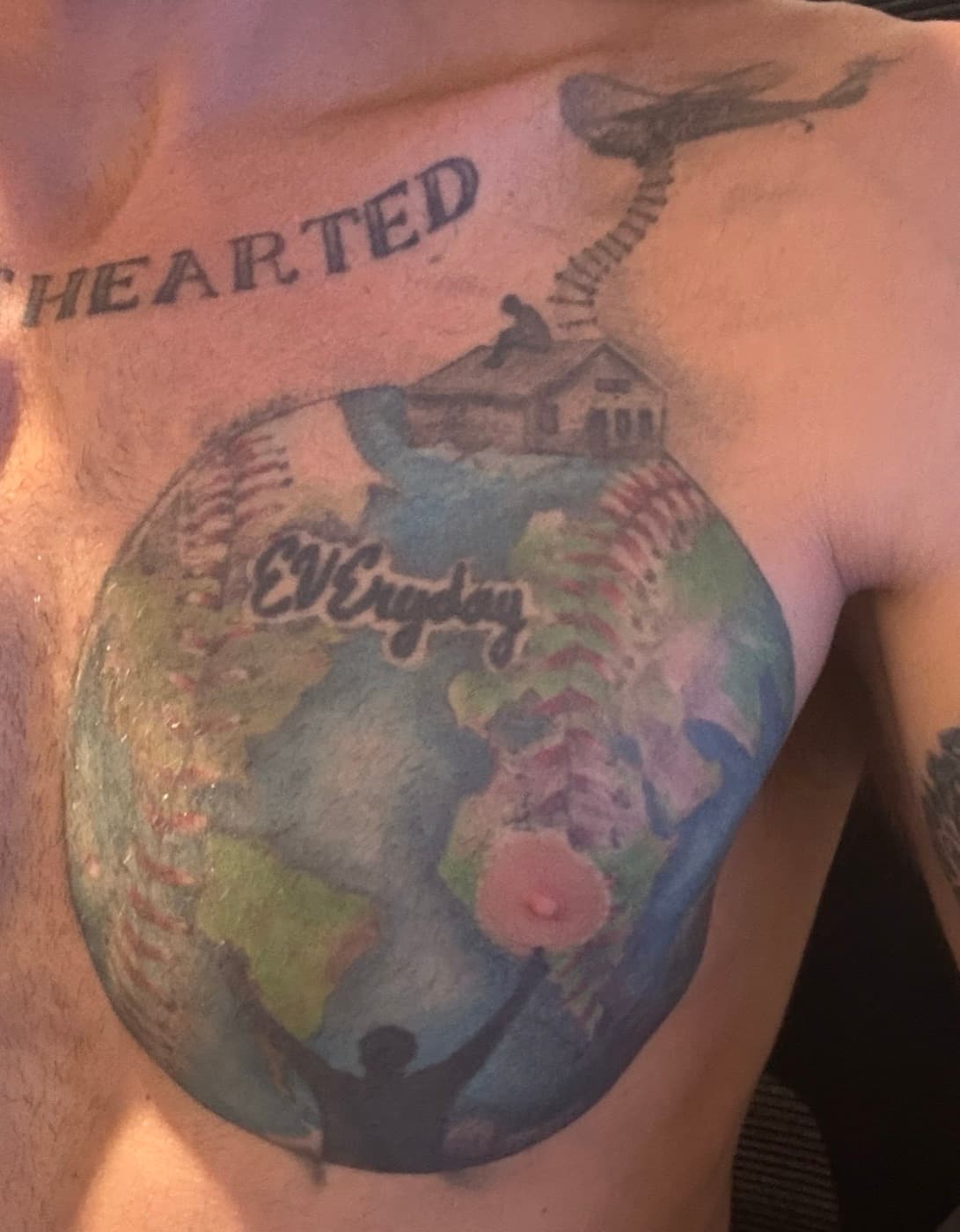
If you've seen me write EVEryday, with the first three letters capitalized, that's her. Her name sits inside the word "every." It's tattooed on my chest. It isn't branding. It's my mom, carried in the middle of an ordinary word, every single day.
This is the post I should have written first, and it isn't going to be short. She deserves her story told.
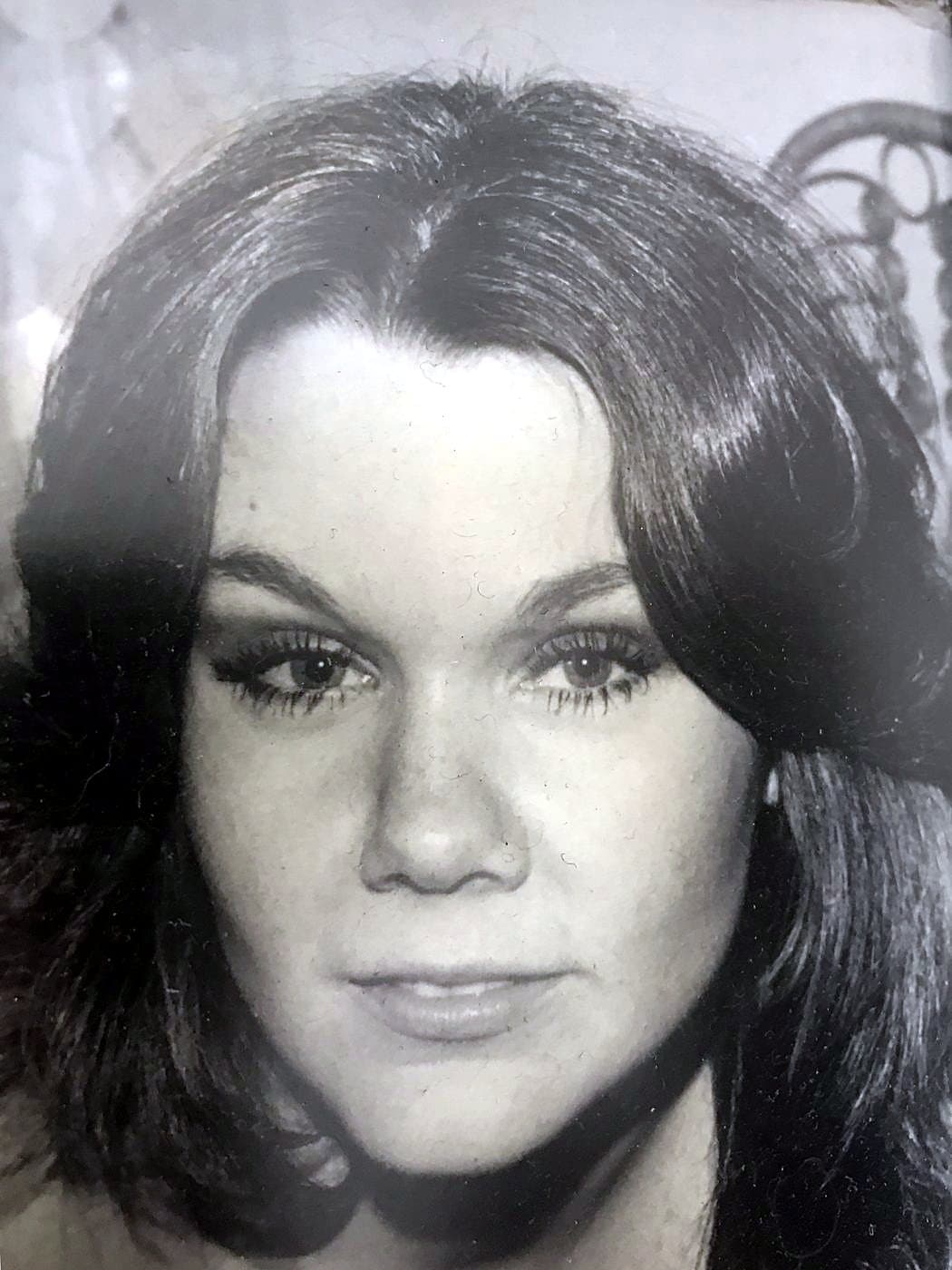
She never once told me no
I graduated high school in 2003 with a 4.3 GPA and a full-ride Provost scholarship to Arizona State. I turned it down. Arizona State hadn't recruited me to play baseball, mostly because I got hurt my senior year, and I knew I wanted to play in college.
Most parents would have lost their minds. My mom didn't make me feel bad for one second. She never said I'd regret it. She said, more or less: if you want to play baseball, then let's figure out what you have to do to keep playing.
That was her, every time. There is no memory in my head of her telling me I couldn't do something. When it turned out I needed a hip replacement to keep playing, at nineteen, she was just as matter of fact: if that's what it takes, and you've got your mind set on it, then that's what we're going to do.
I can't explain how much that meant. She never doubted me, so I never learned to.
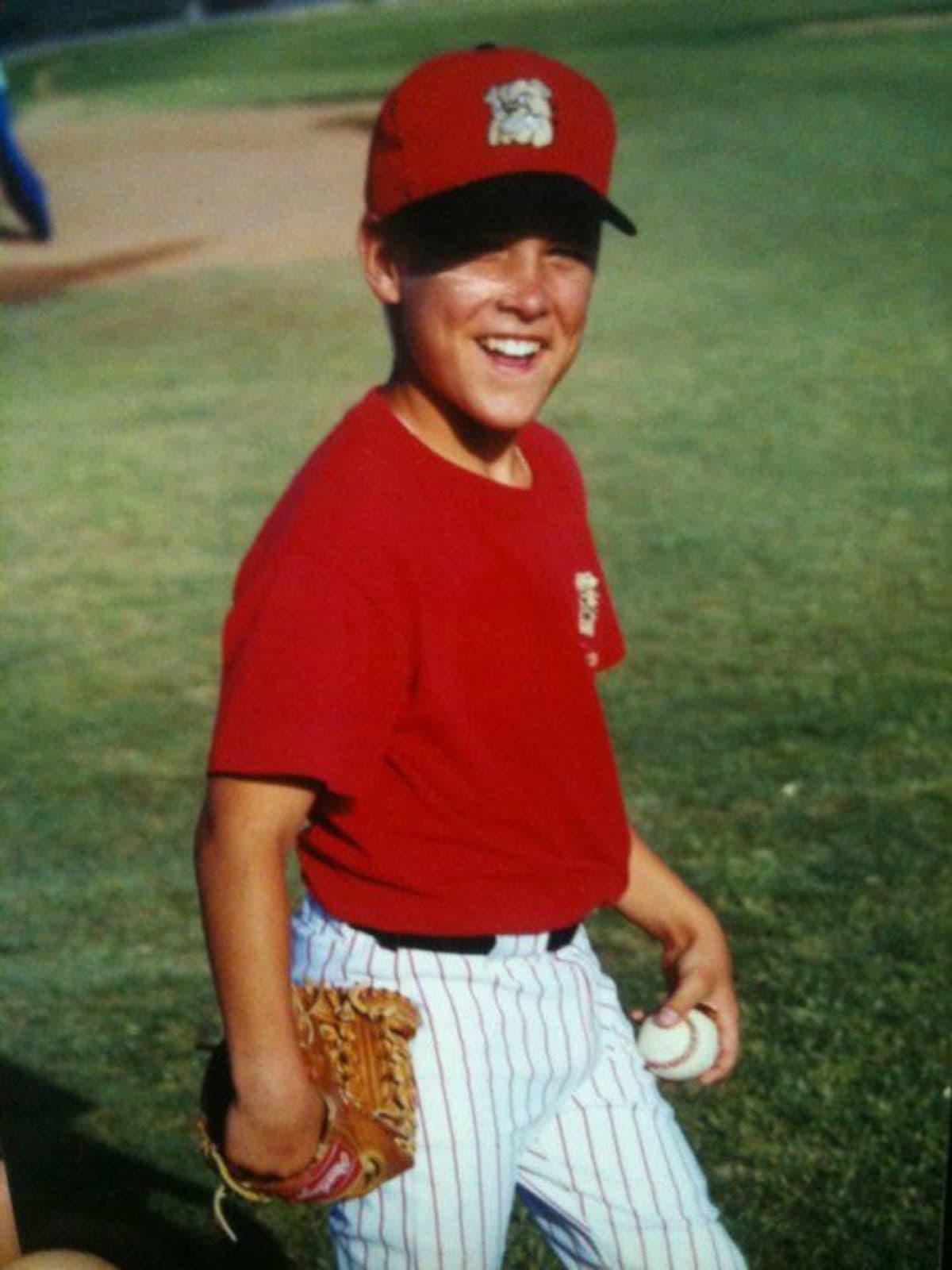
She was at the field for all of it, for both of her boys.
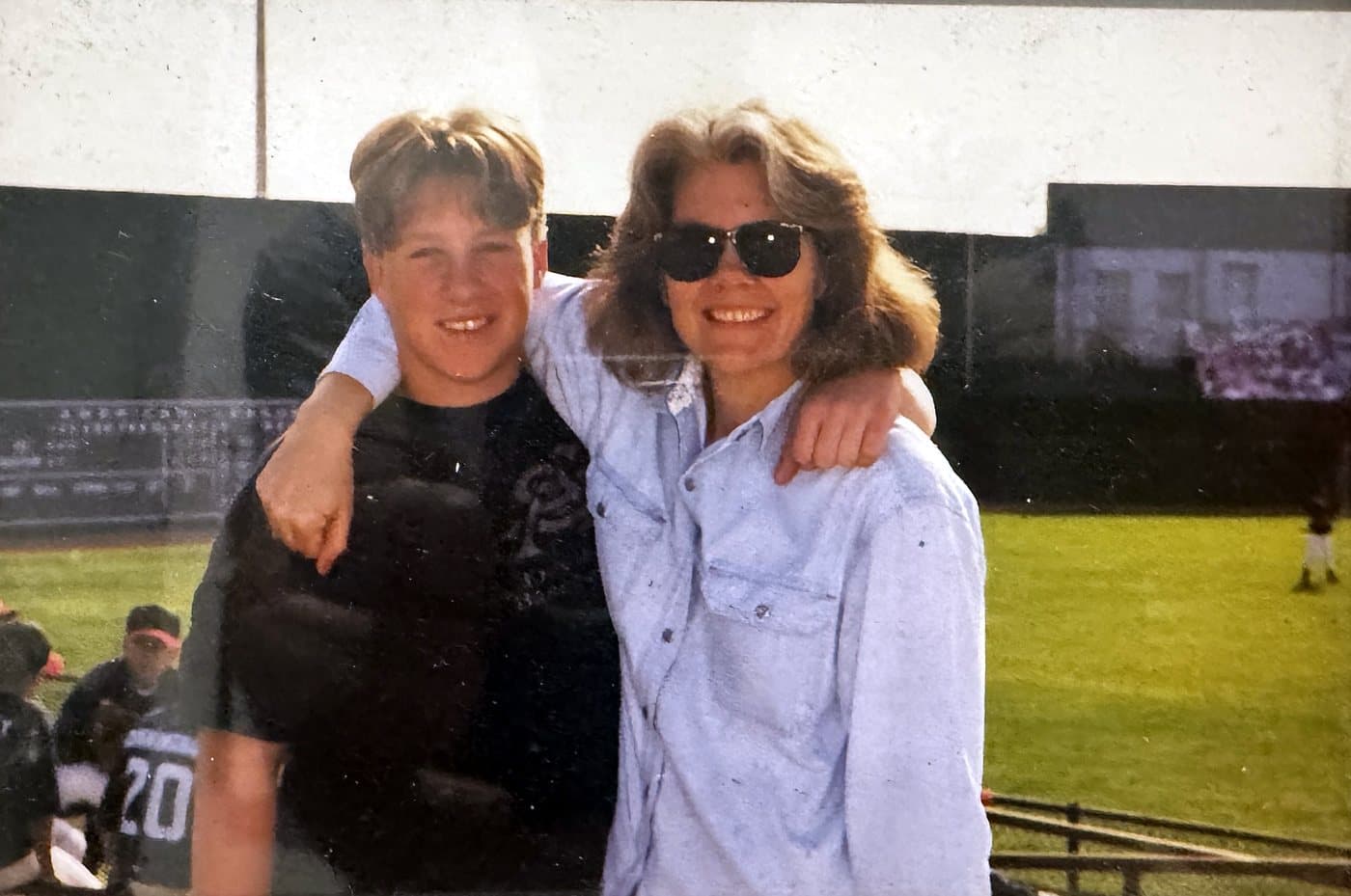
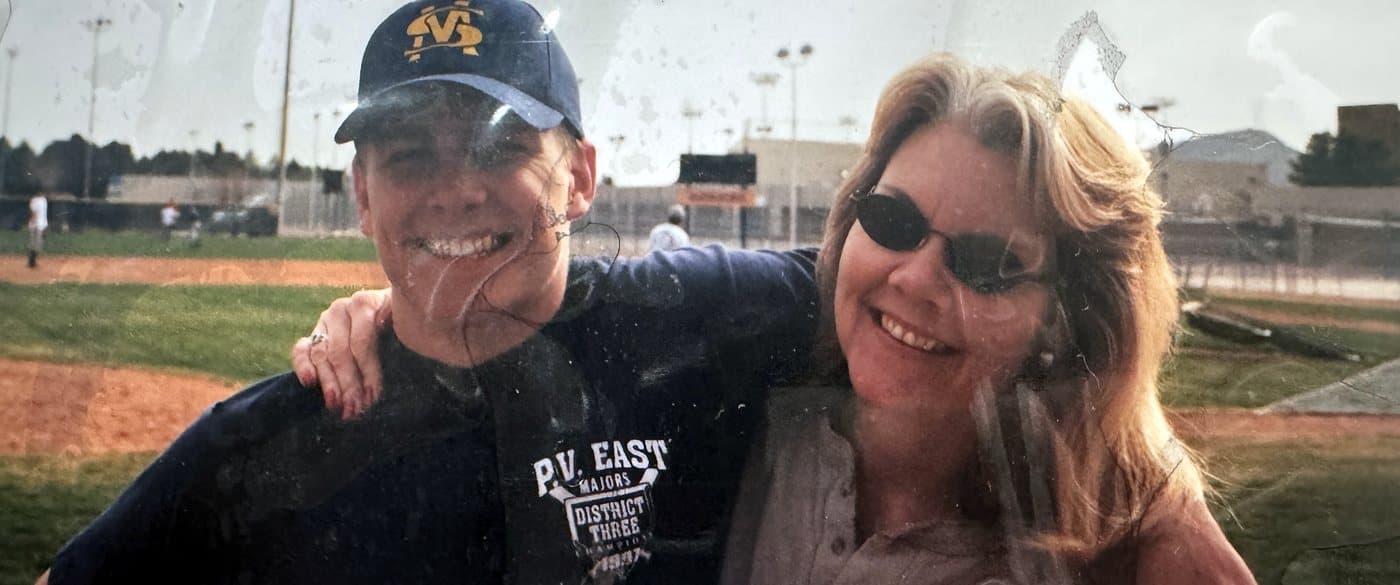
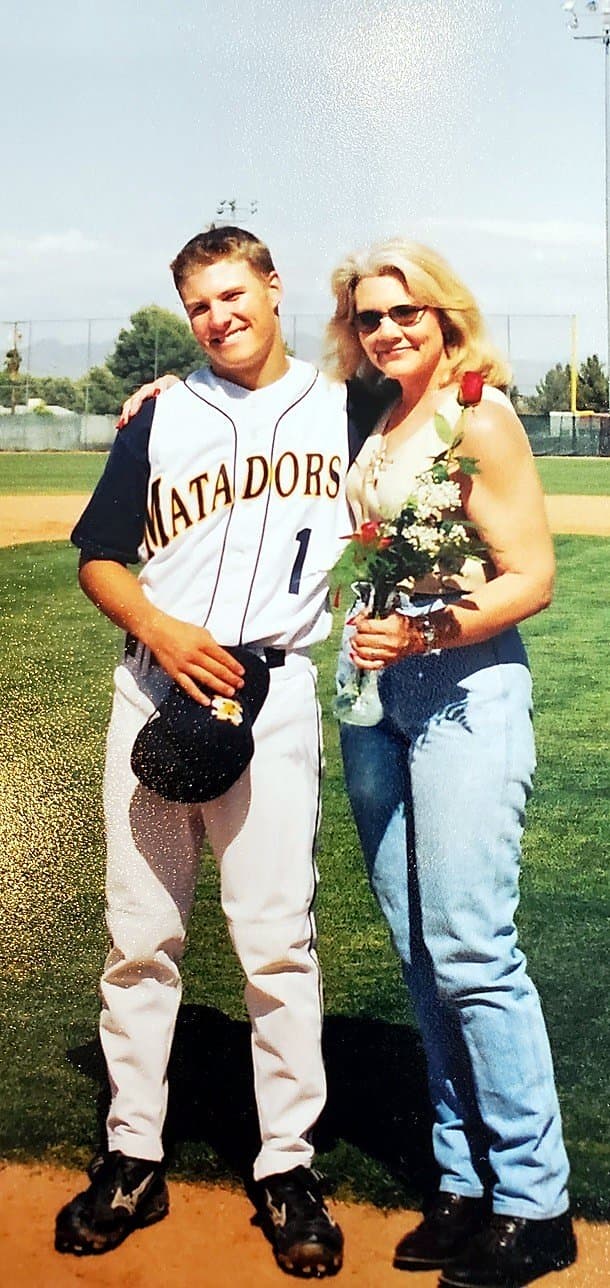
She came to my games, and she was always the one screaming in the stands, ridiculously loud. I was never embarrassed, not once. It was hilarious, and honestly I was stoked she was there. When she was that parent yelling her head off, it just made me want to play harder.
She was real
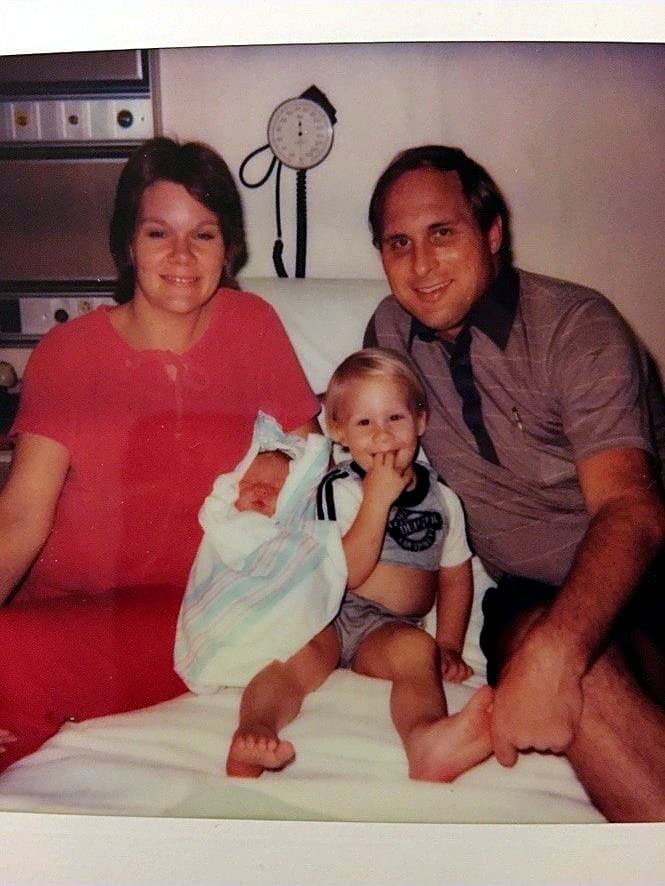
My mom loved being a mom. She loved me and my brother, Garrett. She loved her friends, and they loved her right back. She loved to have fun and she loved to laugh, and she was never afraid to do either.
And she was real. If she was sad, she was sad. If she was angry, she was angry. If she was happy, she was happy. She was exactly who she was, and I admired that more than anything.
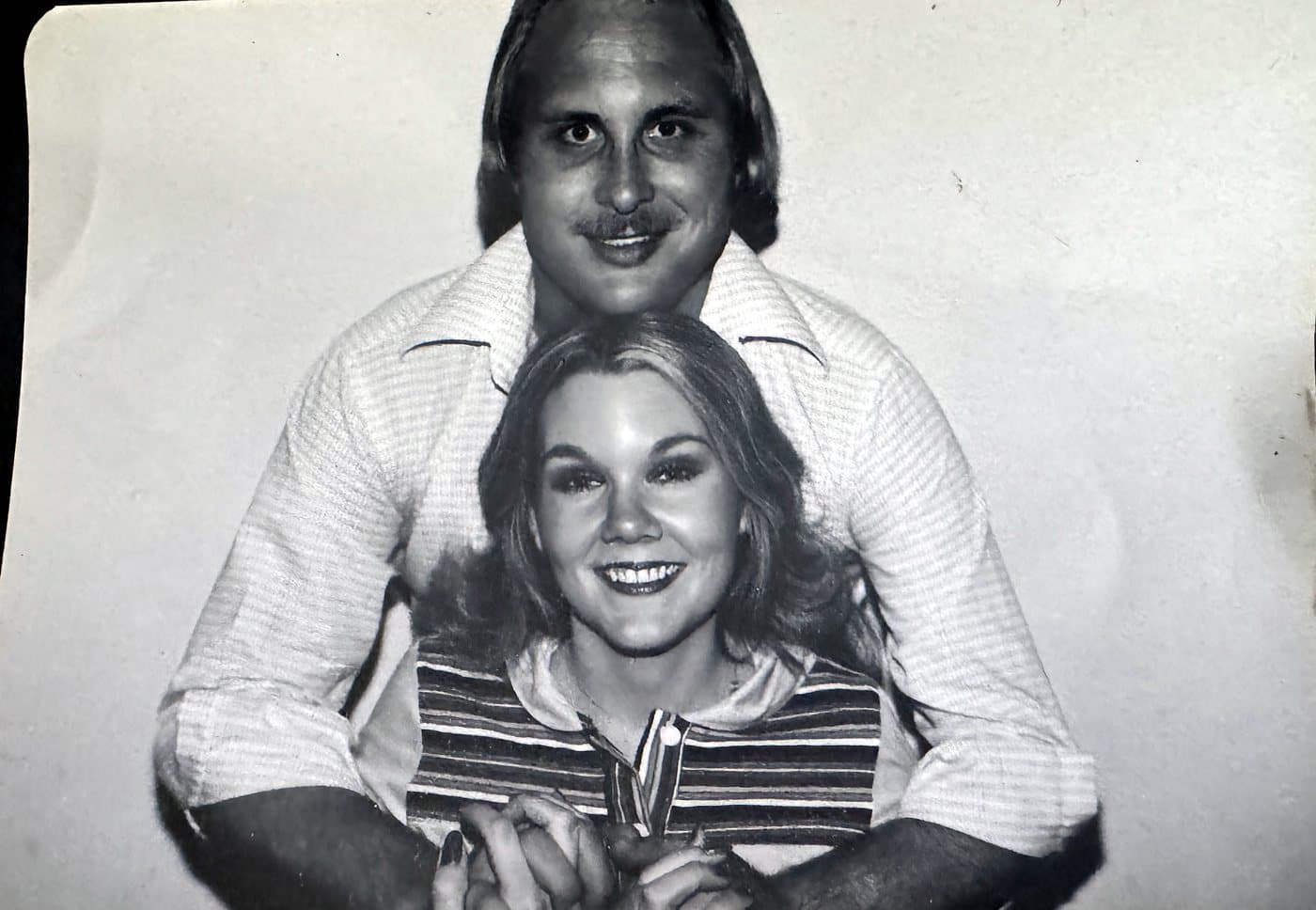
My parents divorced. Garrett and I were the ones who asked her to leave, and we wanted to go with her. My relationship with my dad was hard. I tried my best with him. She tried hers, for a long time. I'm putting that here because she was real, so I'm going to be real too.
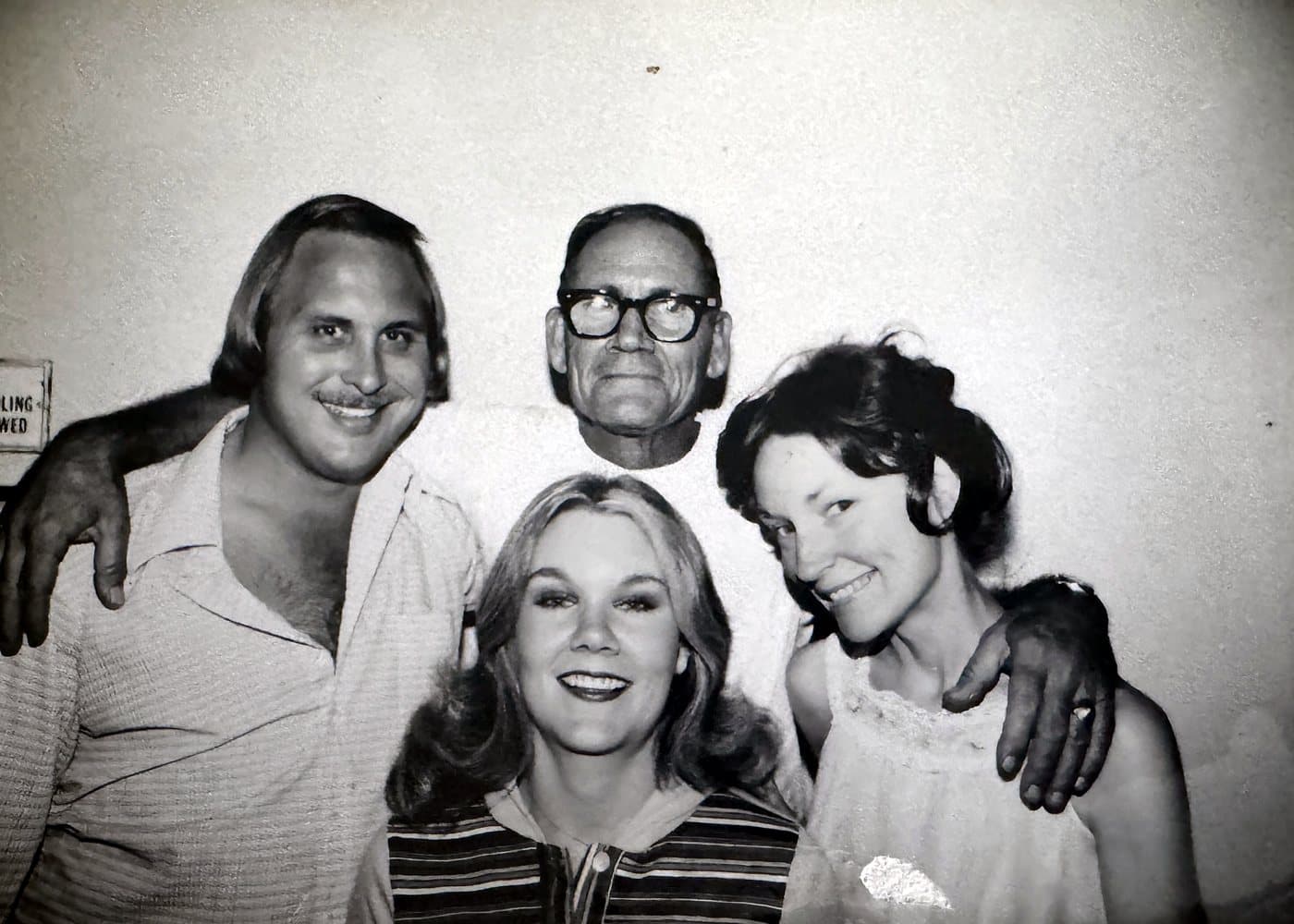
She worked about sixteen years at Moore Business Forms, near 44th Street and Indian School in Phoenix. I loved visiting her office. She was on a computer from basically the day computers showed up, and the only way she ever described the job was that she "made proposals." She liked her boss. Then, a few years before she died, she got laid off. She went all in on a startup with an entrepreneur she believed in, working mostly on commission, and it never paid. She went for it anyway.
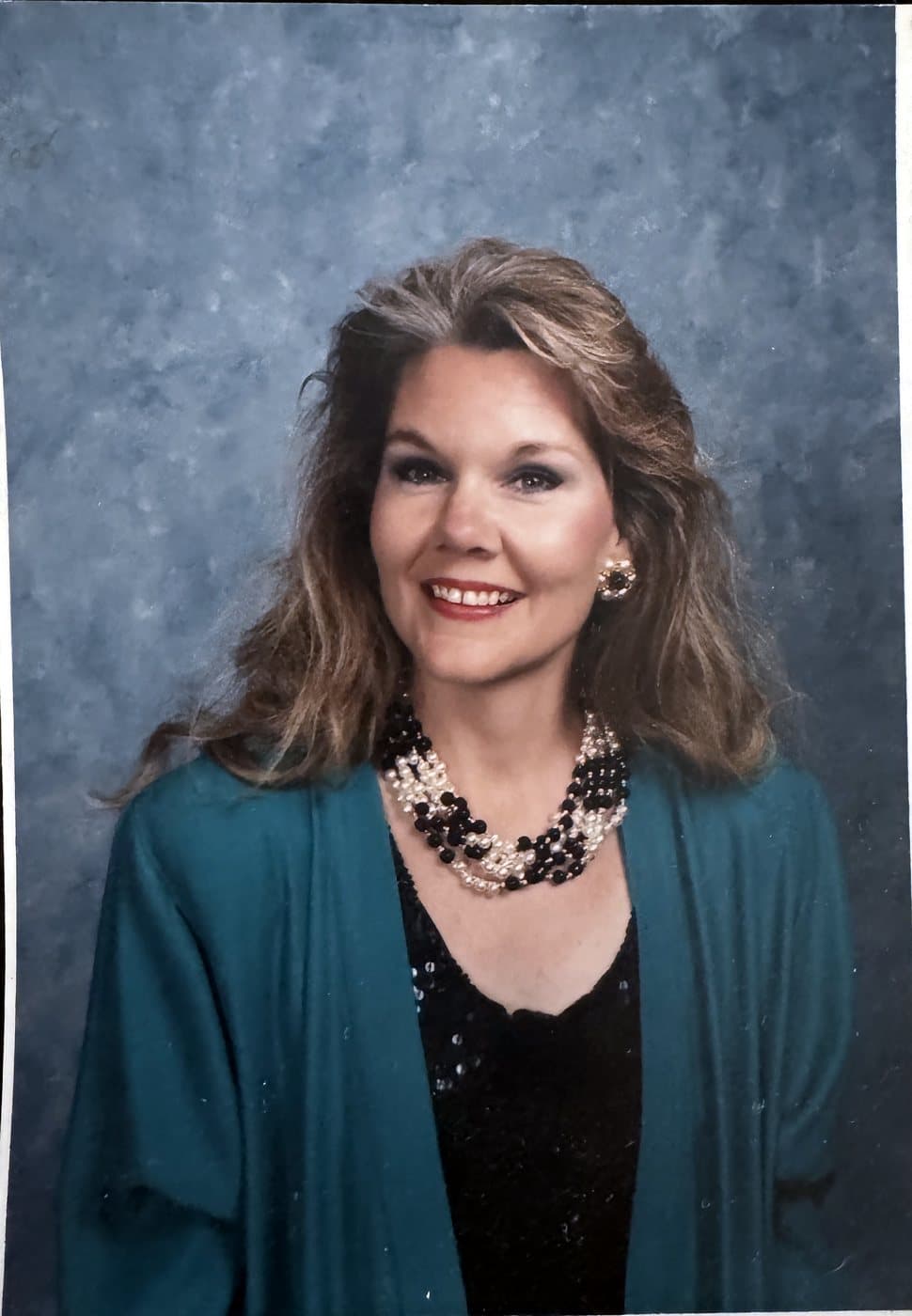
Later she met Danny, a construction worker. I was eighteen and I was mad about it at first. Then I loved the guy. They bought a limo together, out of nowhere, and drove us to prom in it. He made my mom happy, and that was all that mattered.
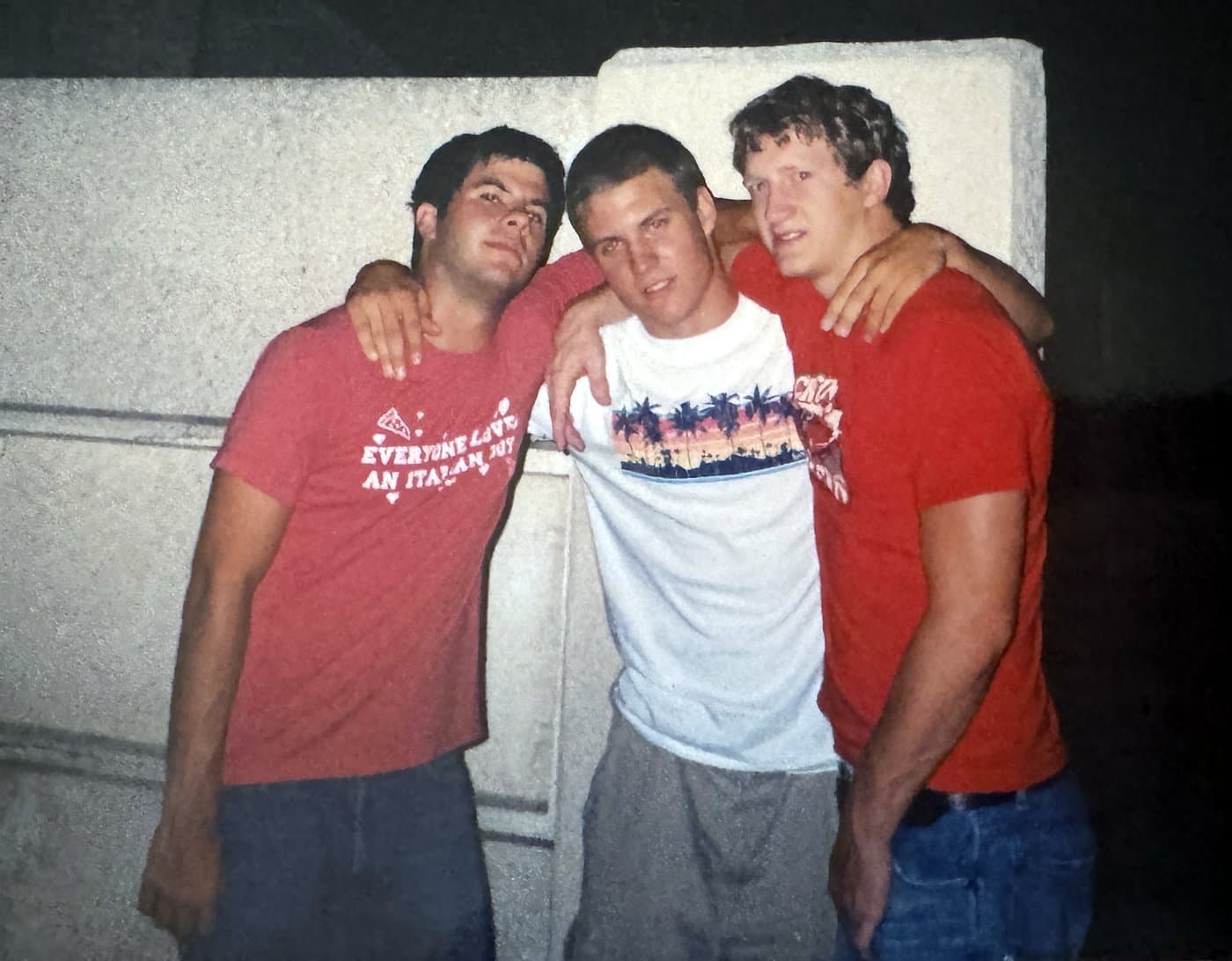
In high school we lived in apartment 1130, and 1130 was the place to go. My mom was the cool mom. Eric, Chris, Devin, Kylin, Ryan, Pete: she treated all of my friends like her own, and she treated everybody well.
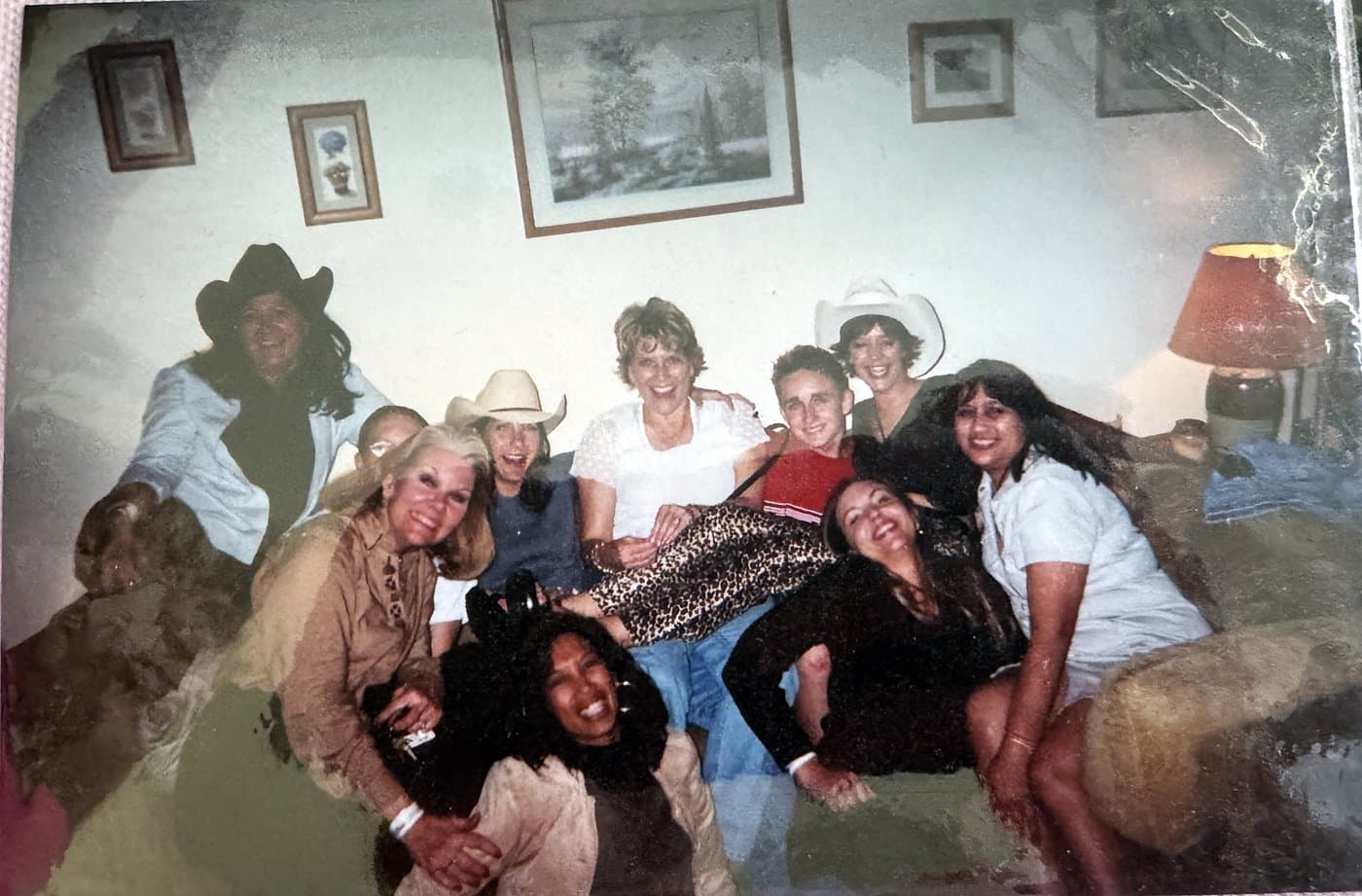
She never judged my friends. What she said, many times, was "Isaac, I think you're such a good judge of character." I've identified with that my whole life. I can read someone's heart, and it feels amazing that she's the one who told me so. It's exactly what I want for my daughters. Not to be told who to be friends with. Just to know.
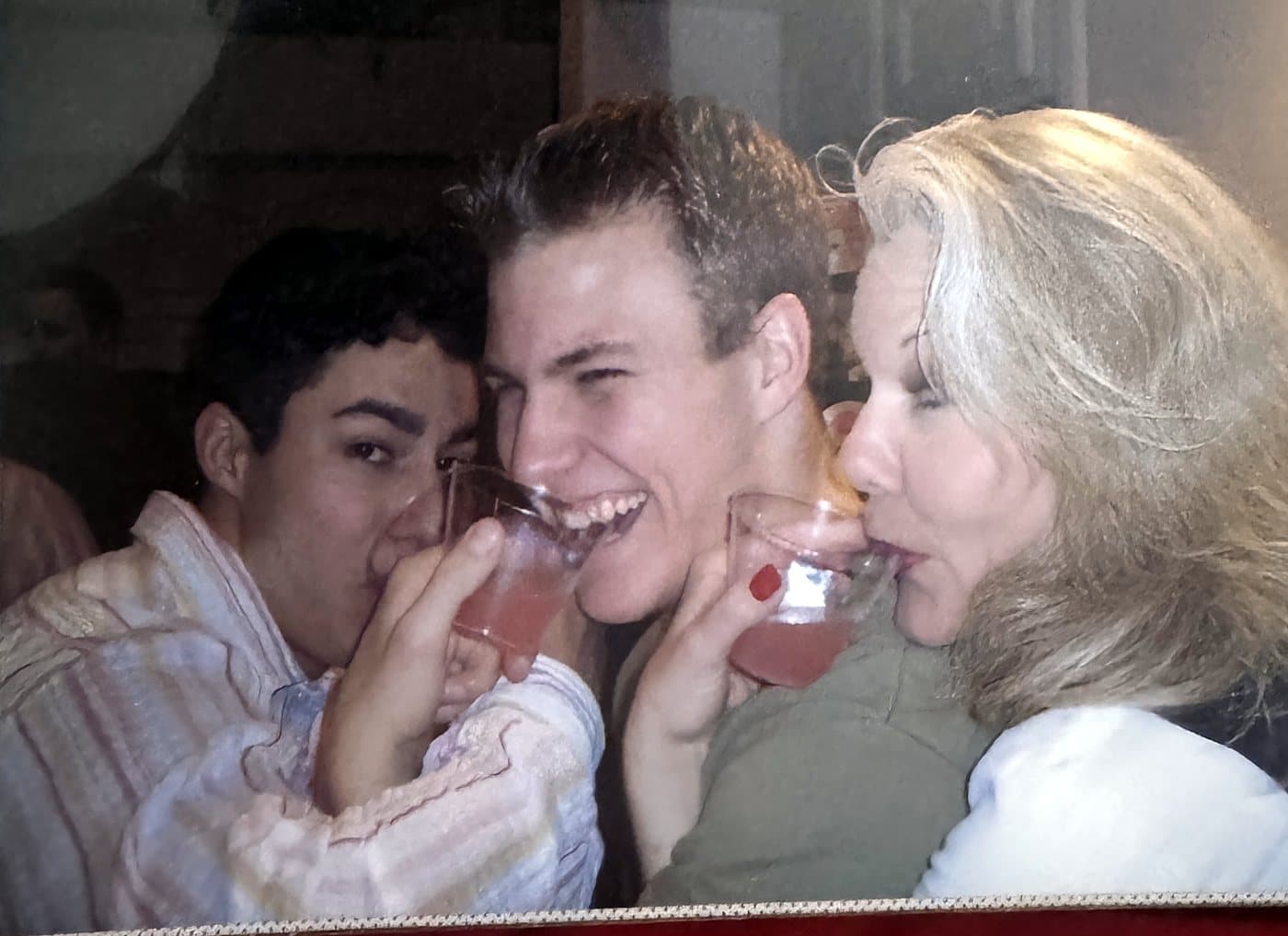
My best friend
She told me I never had to hide anything from her. I could tell her anything. And I actually could.
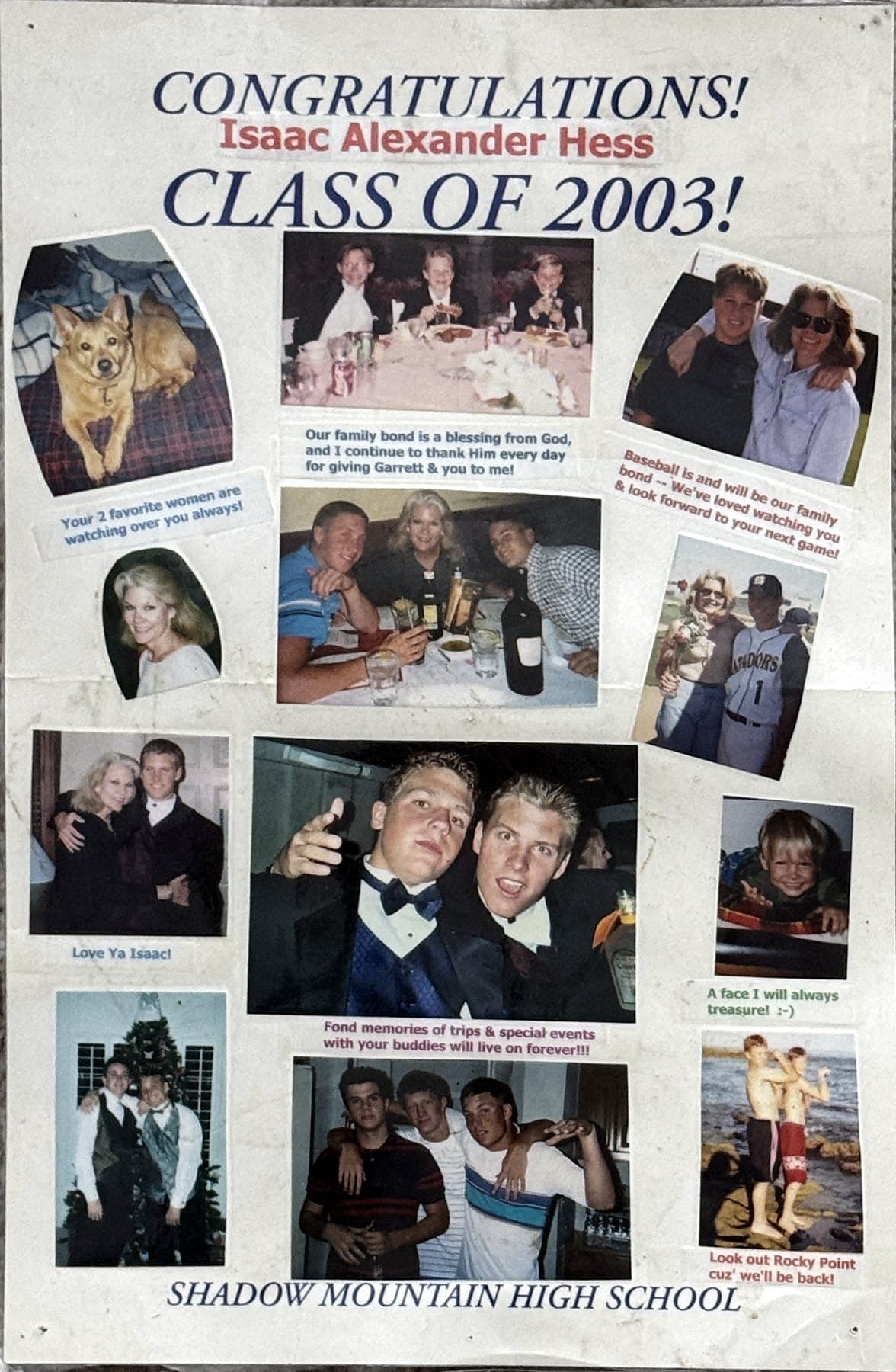
When I graduated from Shadow Mountain in 2003, she made me a poster. Her own captions are all over it. "Our family bond is a blessing from God, and I continue to thank Him every day for giving Garrett & you to me!" "Baseball is and will be our family bond. We've loved watching you & look forward to your next game!" "Fond memories of trips & special events with your buddies will live on forever!!!" And next to a little photo of me: "A face I will always treasure!"
Up in the corner is Lucy, the dog my mom bought me. Lucy was my ride-or-die and lived to thirteen or fourteen. My buddies are all over that poster too: Pete, Kylin, Chris, Eric and Garrett.
At Washington State I was nineteen, at parties, in the kitchen with a beer I wasn't supposed to have, having a blast. And I remember, consciously, stopping right in the middle of it and saying, "Guys, I've got to go talk to my mom." I said it proudly. She was my homie, my friend, the person I wanted to talk to right then. I'd call her and tell her I was having so much fun, that it sucked I hadn't been cleared to play, and that we were going to figure it out.
If other people were around, I'd say "I love you, Mom" out loud, on purpose. Most people hesitate to say that in front of their friends. I was the opposite. I wanted people to hear me tell my mom I loved her, because I did.
She'd usually be out having fun too, at Greasewood Flats in Scottsdale with her friends, living her life.
Two of her best friends back then were Phyllis and Nadine.
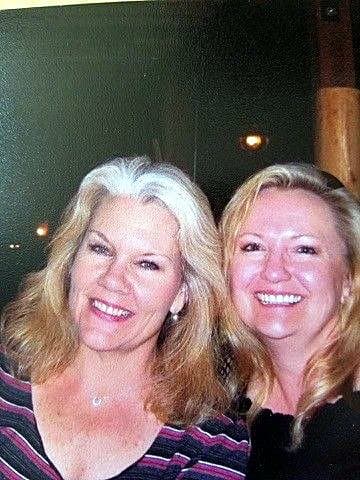
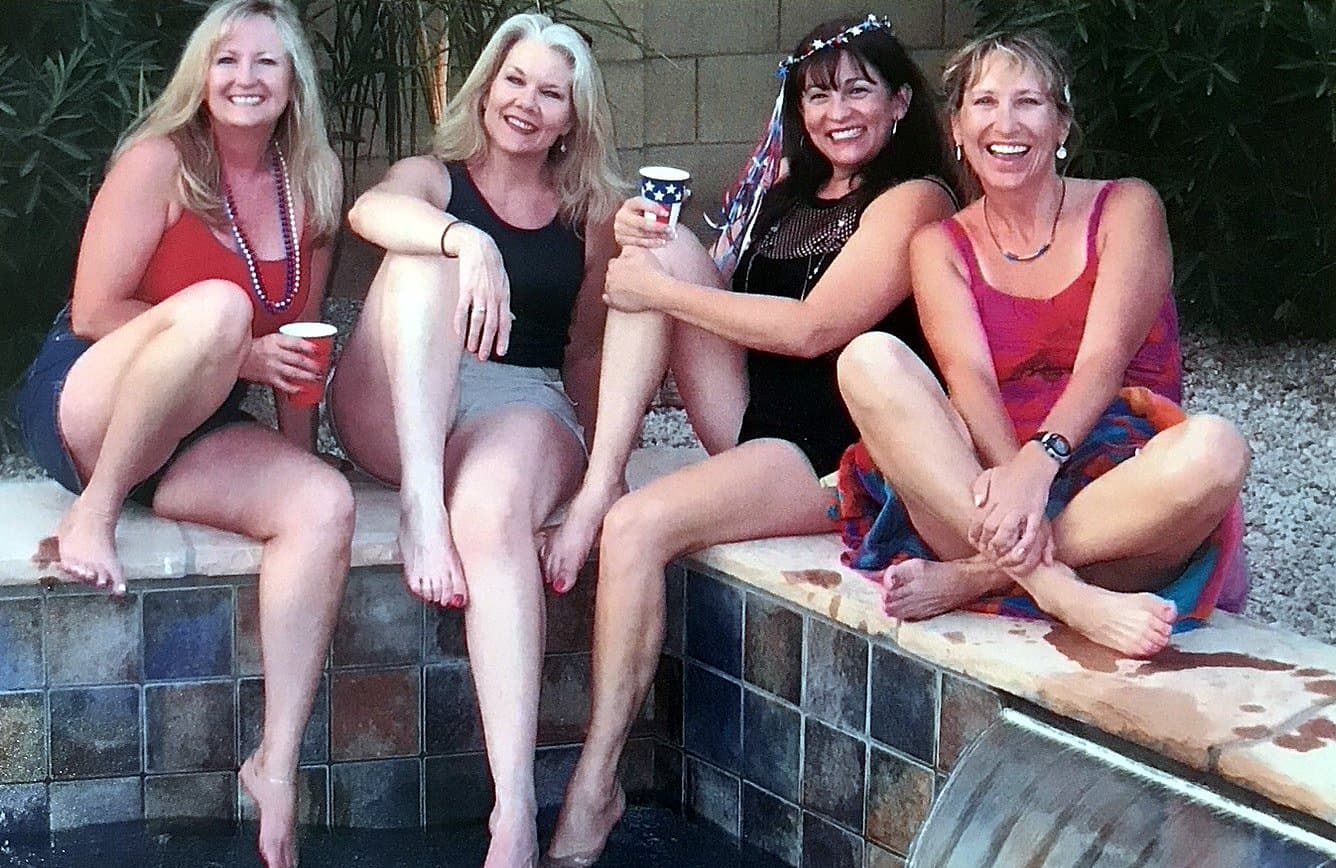
She said two things to me that I've never shaken.
The first was "Too much of anything is bad." I asked what would happen if I had too many apples. She said if I ate a hundred apples I wouldn't feel very good. That was the whole lesson. Moderation.
The second came when I said I hated somebody. "You should never hate anybody. Hate is too strong a word, and it's never worth the energy." Then she added the part I still live by: "Isaac, you can dislike somebody a hundred percent. But you just can't hate them, okay?"
Two goodbyes
My dad had been fighting cancer for about a year. In August 2004, right before Mom and I drove twenty-two hours to Pullman, Washington, we drove the other way first, to the hospital, so I could see him one last time. He was bedridden and so thin. He barely knew it was me. I cried. She cried. He died on September 25.
I was headed to Washington State on a big scholarship. Not quite a full ride, but about as much as they gave anyone on the team. Donnie Marbutt, the head coach, told me I'd at least be the Sunday starter, the number three, with a chance to be the Friday guy if I did my thing.
It wasn't my first choice. Playing for Arizona State was my dream. My brother was at ASU, Kylin was going there, and back then, at least in my head, ASU was the place to be. I gave Chris and Eric a hard time for being traitors and going to Tucson. But Arizona was the next dream, because my best friends were there. Arizona offered me a small scholarship, and I kept hoping for a bigger one so I could play with them. It was only books. Arizona State never gave me the time of day. So I had a chip on my shoulder about both of them. This was Division I, the Pac-10, and I was going to face them and beat them.
I didn't want to leave my mom. But I'd always been excited by the idea of playing out of state, anywhere that was an opportunity, and she was all for it, so it was an easy call. It helped knowing my Aunt Pam, my dad's sister, was living in Seattle. It's hours from Pullman, but she'd be in the same state, and she and my mom were best friends. Pam is still a rock for me to this day. She has always been there for me, a hundred percent. My aunt even helped me pay for housing that year.
My hip had been nagging me for a while. It hurt. That spring I'd pitched once a week for the South Mountain Cougars, and I threw my innings and did great. It didn't feel great afterward, but I figured that's just how it is. My dad had taught me to have fire in my belly and be tough. I had no idea anything was really wrong.
We got to Pullman around two in the morning and slept on the floor of a baseball house on frat row. At seven I had my physical. The doctor asked me to squat and crab-walk, and I couldn't, because there was almost no cartilage left in my hip. He told me I'd need a hip replacement, and that I should wait until I was at least thirty, because hip replacements wear out fast: ten to fifteen years, maximum. Mine is twenty-one years old and still going strong, and getting stronger EVEryday.
I had literally never heard of a hip replacement. I didn't know what one was.
My mom stayed a couple of days and got the news with me: I wasn't going to be cleared to play. It was the worst news I'd ever received. I had bet my whole year on that scholarship. She just stayed beside me while we figured out what came next.
It was also the first time I'd hear it. After I got the hip replaced and proved I could pitch again, four more organizations would tell me the same thing. That's why I have to tell this story.
That December, home for break, I got a second opinion from Dr. Michael Wilmink. His office happened to be right next to my mom's old building.
May 22, 2005
I came home from Washington in the middle of May. I flew to Wichita, where my buddy Danny Mlagan was playing, and we drove home together in his Taurus, seventeen hours straight. I got home on a Sunday night.
That Tuesday or Wednesday, my mom and I went to a meeting at the hospital about what life would look like after a hip replacement. There were maybe ten other people in the room, almost all of them sixty or older. And one kid, twelve or thirteen, with some rare condition that meant he needed a new hip too. It was him and me. I remember talking to him. It felt so strange, and my mom was right there next to me.
She'd had a physical a week or two before and was told she was totally healthy. She took care of herself. She never overdid anything. Too much of anything is bad.
Friday I went down to Tucson to see Chris and Eric. Saturday night I went out with Kylin. Sunday, May 22, I was stuck at Kylin's house in Tempe all day, watching TV, no car. A taxi was fifteen bucks, which back then might as well have been a hundred.
My mom had gone to Greasewood Flats in Scottsdale with her friends, like she often did on a weekend afternoon. She left me a message: there's chicken in the oven for you and Ryan, if you're hungry. I'll see you tonight.
I got my buddy Ryan Swenson on the phone. "Yo Swenson, there's food at my mom's house." He always showed up when food was involved. He picked me up around seven and we drove to her apartment in Tempe, off Kyrene and Guadalupe near Kiwanis Park. It was getting dark. We ate the chicken.
About twenty minutes later her friend Traci called. "Your mom collapsed. We're at Greasewood Flats."
I don't know why, but the first thing out of my mouth was, "Does she have a pulse?"
She went quiet. Then she said no.
I called Garrett. He was in the middle of a softball game and it didn't register: "Dude, what are you talking about?" Ryan drove us in his Bronco. We picked up Garrett and went to the hospital. Traci and her friends were there. My mom was gone. She'd had one Corona.
The doctor said I could see her if I wanted to. I went in. I talked to her. I held her hand. She wore a pinky ring she'd gotten in Mexico, and I took it and wore it for as long as I could.
That night my friends filled Garrett's house in Tempe. Eric and Chris were two of the first ones there, then Devin, Kylin, Ryan and Pete. We all sat around, shell-shocked, not knowing what to do. These were the 1130 kids. She had treated every one of them like a son.
My dad had died eight months earlier. I was nineteen.
Nineteen years
Here's the part I've never really said out loud.
I never told myself that everything had fallen apart. It had, in a way. But the thing my mind went to first, before how sad I was, was this: I got nineteen amazing years with my mother.
I think God gave me the strength and that awareness to be grateful for the time I had with her. It wasn't even a hard decision. It was just the way it was. Death is part of life, and it sucks, and there's nothing you can do about it. You stay grateful for the borrowed time you got. I felt blessed then, and I feel blessed now. It could always be worse. I'm so happy I got so many great years with her.
I was supposed to fly to Farmington, New Mexico, to stay with Bob and Julie Kysar the day after she died. They called me that same day, and I remember sitting up against the wall in my mom's apartment, talking to them. They said I didn't have to come. I said no, I need to come. I need to keep moving. I need to keep living. That's what she would want, and this was part of our plan. So I pushed the trip back about a week.
The plan was older than that week. Bob and I met during the Connie Mack World Series, and then we talked every few weeks while I was at Washington State. I think that's when he started to have enough respect for me to invite me to stay. I think he also kept tabs on me because my dad had passed away and I'd lost my chance to play at Washington State. He's just a good-hearted person. By March or April it was settled: I'd spend part of the summer with him, helping open his new training facility, and then have the surgery in late July. My mom knew. We built the whole summer around it.
They picked me up at the airport about a week later, and I stayed with them for most of that summer. They gave me the downstairs of their house, a room and a little suite in the basement with a pool table. After they went to sleep, I'd go down for two or three hours and play pool by myself. I'd write a little. I listened to Jack Johnson's In Between Dreams on repeat, and one song more than any other, "No Other Way," twenty times a night. I don't know why that song. It just made me feel good.
And I did push-ups. Tons of them, at least two hundred a night. They were making me stronger mentally, physically and spiritually, and they were something I could control. I tell every kid I give private lessons to at MADE Baseball to do their push-ups. They have no idea how deep that goes for me. I knew a hip replacement was coming, and I knew that if there was any chance of playing again, I had to be ready.
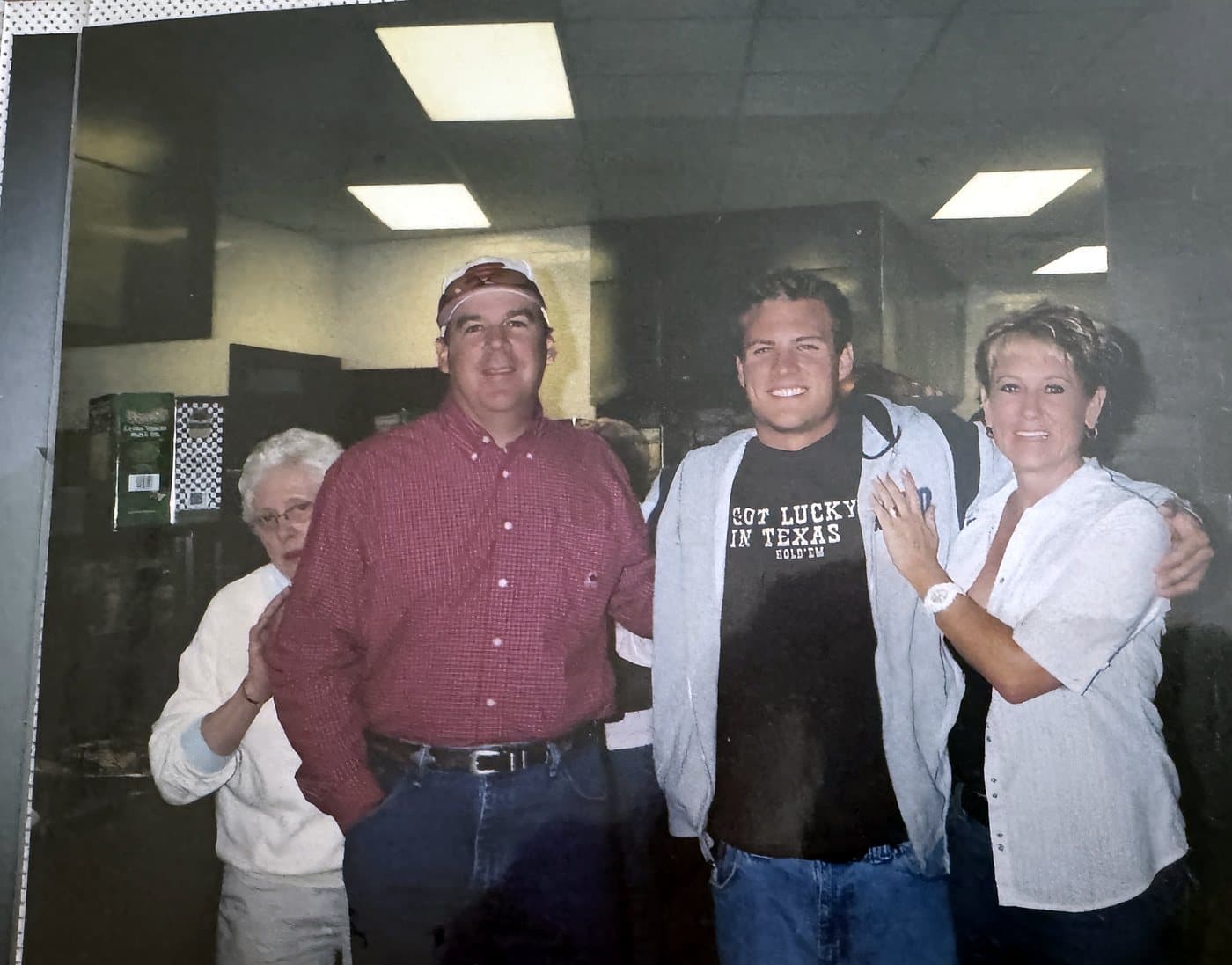
I worked for Bob that summer, helping him open the first indoor baseball and softball training facility in town. The building was up, but it wasn't open yet, so I helped organize and set up everything I could and was basically his right-hand man. His son Clay played baseball, and I think that's a big part of why the facility got built. Bob has a daughter, Holly, too, and both of them were super cool to me the whole time. It's what good host families do: they want a baseball guy around, and I've been blessed with great ones my whole career, including in independent ball. When we talked money, I told him I didn't want any. What I needed was a car before I got to Arizona, because I already knew that's where I was going. He gave me his father-in-law's old long-bed Chevy Silverado. Around July 10, I drove it home to Phoenix, and Rick and Dannelle Hyatt took me in for the surgery.
Go left, and accelerate
Everybody showed up for me. The Kysars, who'd been the family down the street when I played the Connie Mack World Series in Farmington. Bob and I had talked every few weeks since Washington State, and Julie became a mother figure. Paul Laxalt, who I'd talked to consistently all through Washington State, and who'd had a hip replacement himself and was so full of zest it was contagious. Tom Novak, my pitching coach since I was a kid, who pushed me the rest of the way to go through with the surgery. My Aunt Pam. Rick and Dannelle Hyatt, who took me in. Andy, a friend of theirs, who simply stepped up. Bob Larson, one of the biggest MVPs of my whole life.
But what kept me going was a decision.
I felt like there were two roads. Go right, and give up, and disappear into a dark hole. Or go left. And if you go left, you'd better accelerate, dude. There was no middle. There was no other way.
I went left. I made it up in my mind that my mom would live through me, and that I'd shine her light by showing positivity to the world, even in the dark. It was my responsibility to live her legacy and show who she actually was through me, so I kept accelerating every single day. If I was going left, I was going to make it to the big leagues with a hip replacement.
Dr. Wilmink never told me I could play. What he said, as I remember it, was: I'm not going to tell you that you can't. I can see it in your eyes that you want to, and I'm not going to be the one to tell you no. He also told me I needed the replacement for my quality of life. At Washington State I was in enough pain that I was eating twelve ibuprofen a day, four at breakfast, four at lunch and four at dinner, for eight to ten months straight, with no idea how bad that was for me. Walking up and down the hills of Pullman was rough. There wasn't really another option.
So in my head the plan was settled: get the hip replaced, get healthy, play again. It never once crossed my mind that other doctors would look at a hip replacement and see a liability down the road, or that I could get strong and healthy again and still be told no because of it. I had no idea that was possible, and thank God, because it could have thrown me off.
People would call that naive. I'd call it delusional, and I mean that as a compliment. You hear people say you have to be delusional if you want to make it. For me it wasn't even delusional, and it still isn't. If anybody can make it, I can make it. If one person can do it, any person can potentially do it. I just didn't know nobody had done it until I met Mack Newton. I barely knew what a hip replacement was. I barely had real information about the Legg-Calvé-Perthes disease that wrecked the hip in the first place, and you couldn't just ask the internet to tell you everything back then. All I had was how my body felt, and it didn't feel good.
I knew I was going to make the big leagues. I knew I was going to pitch for the Diamondbacks and win the World Series. I didn't even want to be a closer, but I was going to close Game 7, throw the last pitch for a strikeout and get tackled on the mound. I'd felt that since high school, since I watched Luis Gonzalez's little bloop single score Jay Bell to win Game 7 in 2001. When I closed my eyes, I just knew it.
After she died there was no other way. Every decision I made from that day forward counted. Every day counts. Every decision counts. Everything I ate became something I was conscious of. Even when I was partying, I told myself it was part of it, that it was helping me manage my spirit. At least I justified it that way, while I was mostly just having fun.
On July 25, 2005, two months after she died, I had my hip replaced. In my head my career wasn't over. It was just starting, and she was right there with me for it.
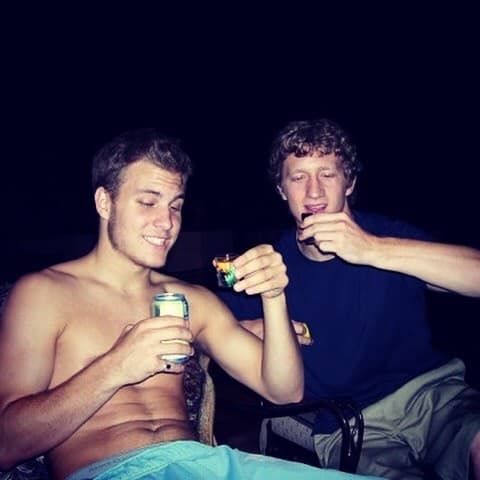
On August 8, my twentieth birthday, I was still at the Hyatts', still giving myself blood-thinner shots in the stomach every day. My best friend Chris was there, and we did a shot of tequila to the new hip. Chris was always one of my biggest supporters. He followed all my games from my first season until the very end, and when I did well, he was the first to text me. He always knew my stats.
It could always be worse
That fall I started at the University of Arizona, and in my first week or two, two things put me on the floor.
The first was Travis Anderson. I'd played with Travis on the Outlaws when I was fourteen, my first real taste of travel ball, under Pete Crimando. Pete picked me up for practice all the time. He was one of the most influential coaches I ever had, and I'll forever be grateful for him. He was one of the first people I texted after we won the championship with the Windy City ThunderBolts in 2007.
I always liked Travis's vibe. He was quiet but a competitor, the kind of guy you wanted on your team, batting third and playing center field, which is exactly what he did. He was a three-sport varsity athlete at Pinnacle High School. Then, in his sophomore year of high school, he was paralyzed, and I never saw him again.
Until that fall. It was my junior year of college, and I walked into one of those massive lecture halls, a hundred-plus people, tiers of seats, a huge whiteboard, like something out of a movie. I looked across the room and saw him sitting in the accessible area. I knew he went to Arizona, but I had no idea he was in my class. I walked over, sat right next to him and said, oh my God, what's up, bro? We hadn't talked since it happened. He'd gone to a different school, we weren't best friends, and it wasn't like today, when you can send someone a message. I'd just heard his story and felt for him.
Then I noticed a tattoo on his leg, a ring that went all the way around his shin and calf. I didn't have any tattoos then and had never thought about getting one. Within the first couple of minutes I asked, what's that tattoo? What does it mean, dude? He looked at me and said, "What doesn't kill you makes you stronger."
I almost cried right there. I hadn't told him about my mom. He didn't know anything about what was going on, and I don't know if he even knew about my hip yet. It hit me like a ton of bricks. It was like God put him right there, right then, for me. It reinforced the obligation I felt, and it validated what I already knew: there was nothing delusional about it. If Travis has that tattoo, I thought, there is nothing that's going to stop you. And now I had to do it for Travis too. Every time I felt lazy and didn't want to train, I'd hear it: what doesn't kill you makes you stronger. You don't have an option here, Isaac. Every day counts.
The same week, Hurricane Katrina hit. A young teacher came in and said there'd be no class, we'd just watch the news. I remember the helicopters over homes with water above the rooflines. And I remember a little boy, maybe five, maybe ten, alone on a roof, hugging his knees, while a helicopter tried to reach him.
My heart hurt for him. And I thought: Isaac, you still have your brother. You still have your legs. You still have everything. Here's a kid who's lost everything and doesn't know if he's going to live. There was no chance I was going to sit around feeling sorry for myself because both my parents had died and I'd had a hip replacement, all inside nine months.
That boy is tattooed on my chest now, above EVEryday, on the baseball world, with the helicopter coming for him.
I won't pretend that first semester was clean. I took AP classes all through high school and got A's in almost everything, and I prided myself on that. Then I got to Arizona and I was partying, just like anybody else there. It was the thing to do, and I'm not going to lie, it was a ton of fun. Even after my mom died I was still having so much fun, and that was comforting, because I was with my best friends. Still being able to be a college kid, with all the support I had, is part of what let me keep living my life instead of giving up.
But I wasn't prioritizing school. I missed classes, I slept through some, and I wasn't interested. I was thinking about a lot of other things. I was training and I was strong, but I was twenty and I wasn't making good decisions day to day. I ended up with two C's, and I think I dropped two other classes before they could turn into F's, because even then I knew I couldn't be a jackass if I wanted to play at Arizona. I always looked down on people who didn't get good grades, and at the time I was one of them. I realized I couldn't play if I didn't pass, and I figured it out enough the second semester to show I wasn't failing. It took me a while to turn it around. By my last semester I was carrying nineteen credits and determined to finish strong.
I was living with my best friends, Eric and Chris, my two brothers, along with Clark. Michael Keyes was with me through all of it. It felt like home. Any time I felt the sadness coming, I'd crack a Coors Light and say, this one's for you, Mom. I probably partied a little too much. But I had my angels watching over me, and I prayed every single night, grateful. About once a month I drove the hour and a half back to Phoenix to stay at the Hyatts' or at Garrett's, then drove right back.
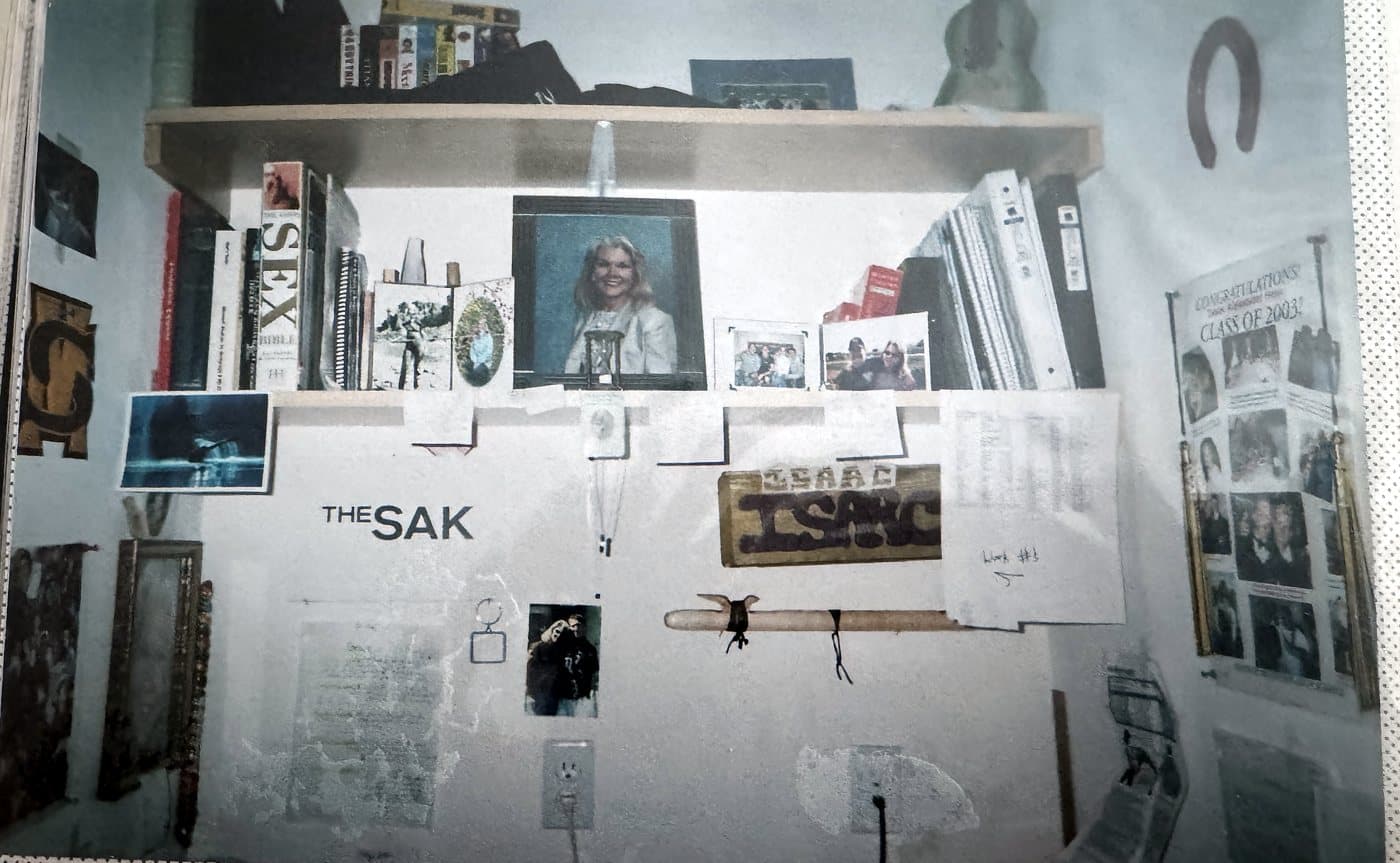
We lived at an apartment complex called the Seasons. My room was in the middle, Eric's on one side and Chris's on the other, and it had this desk built into the wall. I loved that desk. I reflected there. I wrote there, constantly. I talked to my mom there. Her picture sat on the shelf above it, next to the graduation poster she made me. I became a champion at that desk.
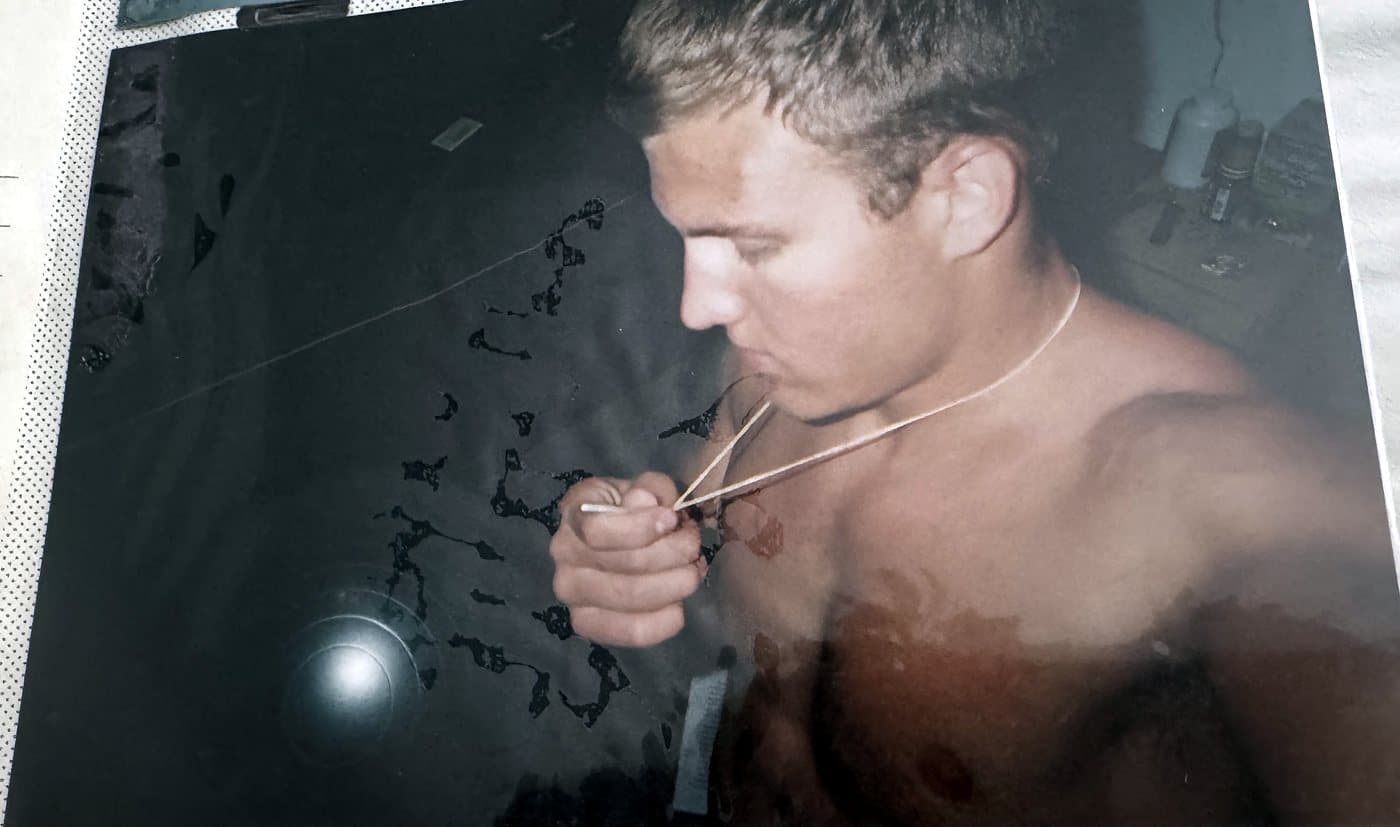
My aunt told me she'd had some of my mom's ashes put inside a little baseball bat on a necklace. I wore it every day and every time I threw, and I'd kiss it before I pitched. She was right there, against my heart, every single time.
Still accelerating
I'm forty-one now, and I'm still accelerating. I feel better than I can remember feeling, and I feel like I have so much left in the tank, physically, mentally, every way you can think of.
Over the last ninety-five days or so, since July 2, when I started building with AI, it has gone exponential. I've wanted to tell this story for a long time and it was never the right time. Now it is. None of that feels like a coincidence to me. I was living on the active side of infinity from the very beginning. God gave me that, and my mom made it easy to choose.
Full force, every day, every single day. That's how she lives through me. That's how I carry her legacy.
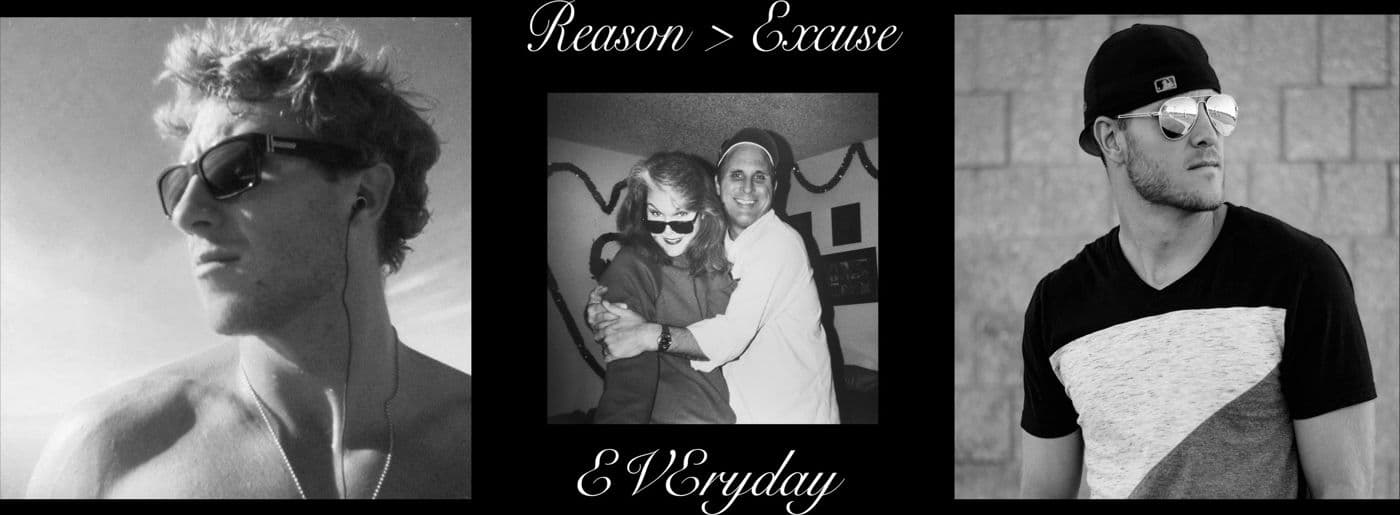
That's what the EVE in EVEryday means. Every single day.
My dad's story is next. He deserves his own.